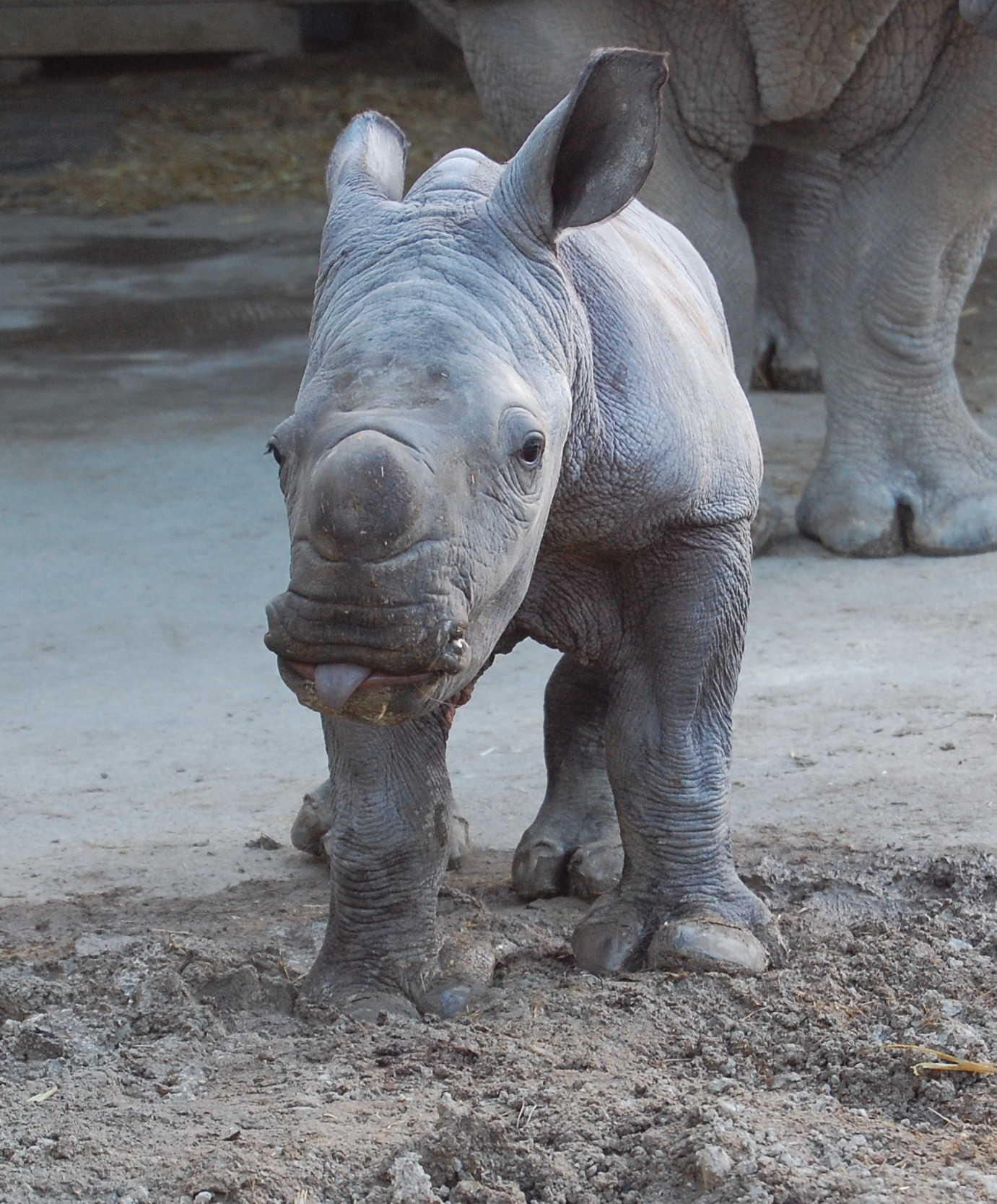
Photo from http://kareycycling.wordpress.com/2009/04/
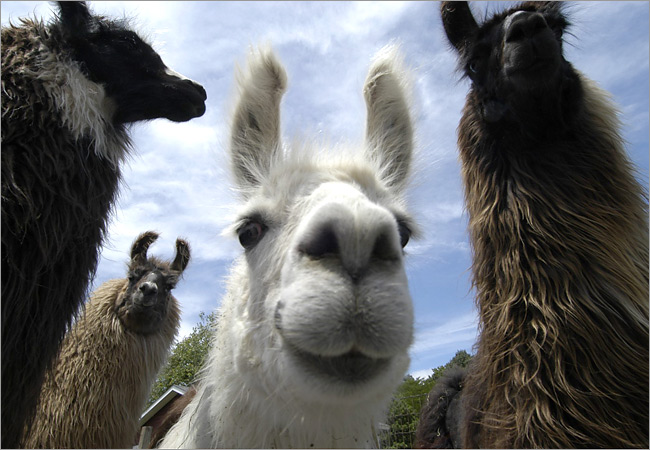
Today we are going to look at an animal that originated in North America about 40 million years ago. That’s right, the llama started there before migrating to South America and Asia. At least this is the theory but it seems pretty plausible to me. You may be thinking that this doesn’t sound realistic at all since the llama would have to cross the ocean to get to Asia from North America. Luckily they managed to move across before the two continents separated. It is believed that the llama went extinct in North America during the Ice Age. I don’t blame them, I wouldn’t have hung around if it got that cold either.
The llama is related to the camel, however, they don’t have the famous camel hump. I know it is unfortunate but what can you do, right? At least the llama is able to spit so that is pretty cool. Have you ever stop to ask yourself what the purpose of them spitting is? They will usually spit in order to settle disputes. Similarly, this behaviour dictates the dominance among male llamas. The female will also spit but this tells their male counterpart to get outta of her face. I am glad most human females are a little classier. Usually, the llama will not spit at humans unless they are provoked. This means that those spitting llamas at the zoo may be a little agitated.
Surprisingly the llama is a noisy mammal that likes to make a wide variety of sounds. The female llama can often be heard humming to her young, which are called, cria. I guess she is just singing them a lullaby so they will doze off and give her some alone time. The males will making gurgling noises during mating season and heaven forbid if two males decide to battle it out then they will simply start screaming at each other. One of the most important calls the llama makes is the alarm call. You see, the male will usually perch itself high above the rest of the herd where they can send a warning call if a predator is approaching. This technique is a great defense mechanism for the llama.
Well, there is your fact about the llama. I hope you enjoyed it. Have a great day.
Today is a special post since it is Wild Fact #800! Can you believe we have already done 200 interesting animal facts? We have learned a lot of crazy things from snakes that play dead to fish that can walk on land. Just think about what other amazing species that inhabit this earth we will learn about in the next 800 Wild Facts. I guess now would be a good time to get the 800th Fact started. We are going to learn about the Spider…..calm down, I am not talking about the bug, I am talking about the Monkey! That’s right let’s take a closer look at the Spider Monkey.
To learn about the Spider Monkey we are going on a trip to the rain forest of Central and South America. You coming, or what? Now that we have gotten through security and are enjoying a peaceful plane ride to South America let me tell you a few things about the Spider Monkey. This way we will know what we are getting into when we are wandering through the forest. First, we need to know what they look like. The spider monkey can get as long as 2 feet and has lanky arms and a nice long tail. As with other monkey’s they use this tail for gripping and hanging out in the trees. Since they spend most of their time in the trees we will most likely have a kink in our necks by the time we are done visiting the rain forest.
The spider monkey is a very social animal and will usually gather in groups of two or three dozen (that is 24-36 monkey’s). This group will usually break up into smaller sub-groups for foraging and sleeping. This allows the food to be dispersed evenly amongst the groups. The part that I find interesting about their social behaviour is the fact that it is the female monkey that will leave the group to find a new family. In most other monkey species it is the male that leaves the group. In my opinion, it is about time the female gets kicked out for once. Well, before we pick up our luggage and head out to the rain forest, let me give you one last fact. Oh Man! Where are my bags??
Spider Monkey Fast Fact – Spider monkey’s really like to hang upside down with all four legs and tail holding onto a branch. I guess this slightly resembles a spider hence their name.
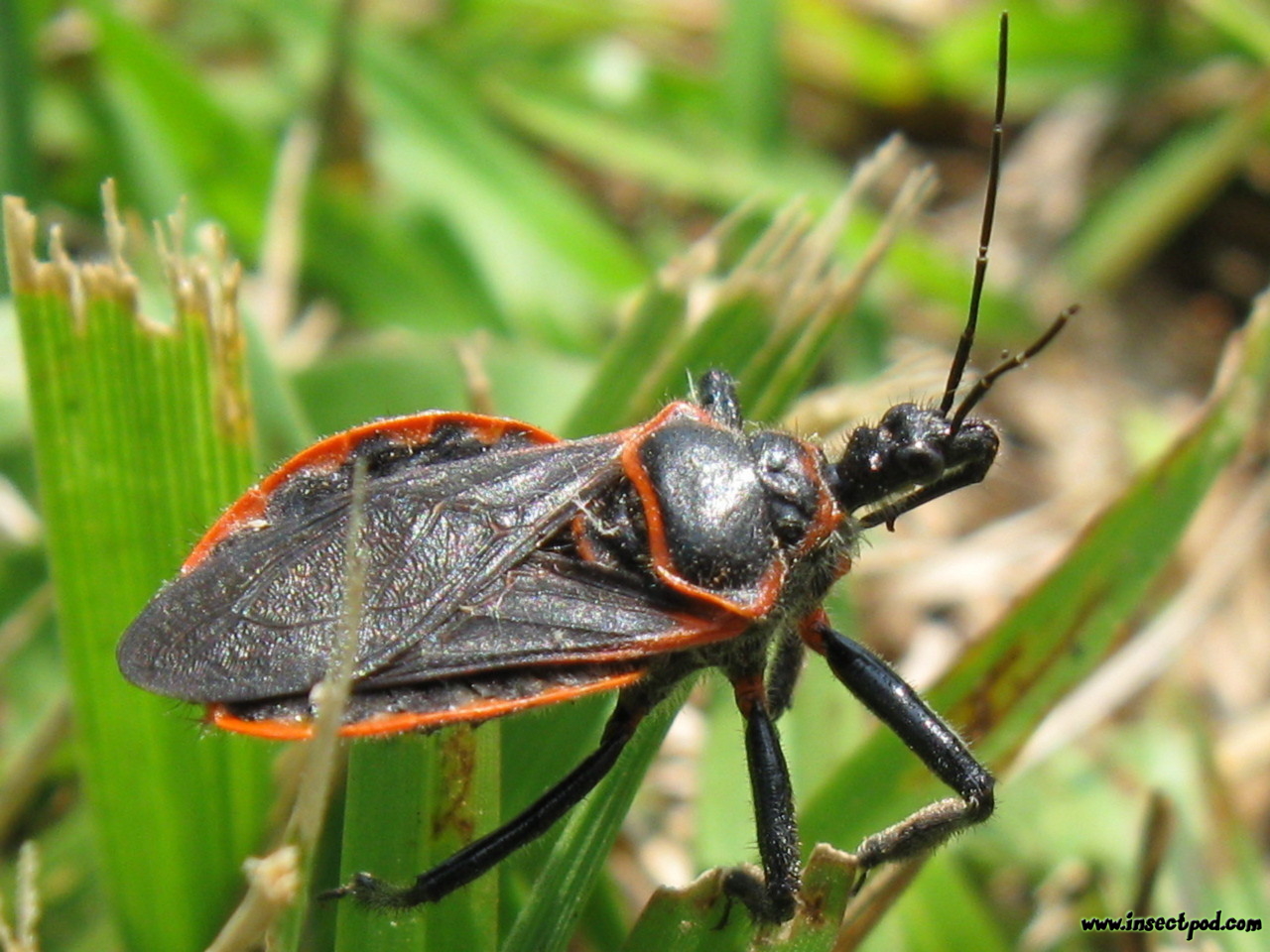
The latest insect to be added to Wild Facts this week is the Assassin Bug. I don’t know about you but just the name of this bug is awesome. It sounds like it will be the deadliest bug in the world. I just picture an important queen bumblebee giving a speech to all of her drones when the Assassin Bug takes her out before any of the other bugs know what is going on. I smell a blockbuster movie coming from this. All right, so they sound cool but are they actually that interesting? Let’s find out!
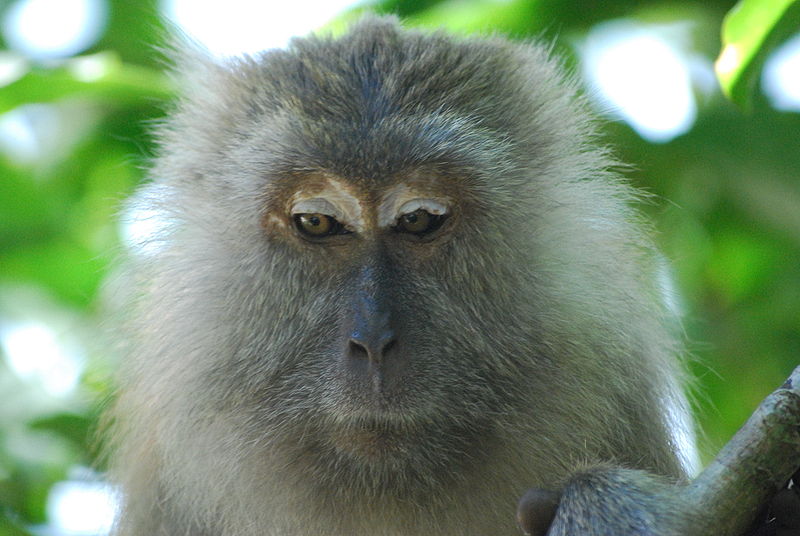
As you may have guessed, the assassin bug is a predatory bug that will use its sucking-piercing mouth parts to feed on other insects. Not to let you down, these bugs get their name from their hunting style. You see they tend to remain concealed and still until they ambush any unfortunate prey going for a nice stroll. In one quick and accurate strike they will inject a deadly poison into their prey. This is the gross part folks! This poison will cause the tissues to break down so the assassin bug can simply suck up their food like a McDonald’s milkshake.
If you are the type of person that likes to pick up weird bugs then I do recommend some caution with these killer bugs. If they are handled roughly they will pierce your skin in self-defense. This will feel a lot like a bee sting and will be followed by numbness and swelling. I highly doubt they will try to suck up your hand though. There is a sub-species of assassin bug called the “Kissing Bug”. Trust me when I tell you that they didn’t get this name from being all lovey-dovey. Nope, they received this name for their habit of biting the lips and eyes of humans while they sleep. See, isn’t that interesting?
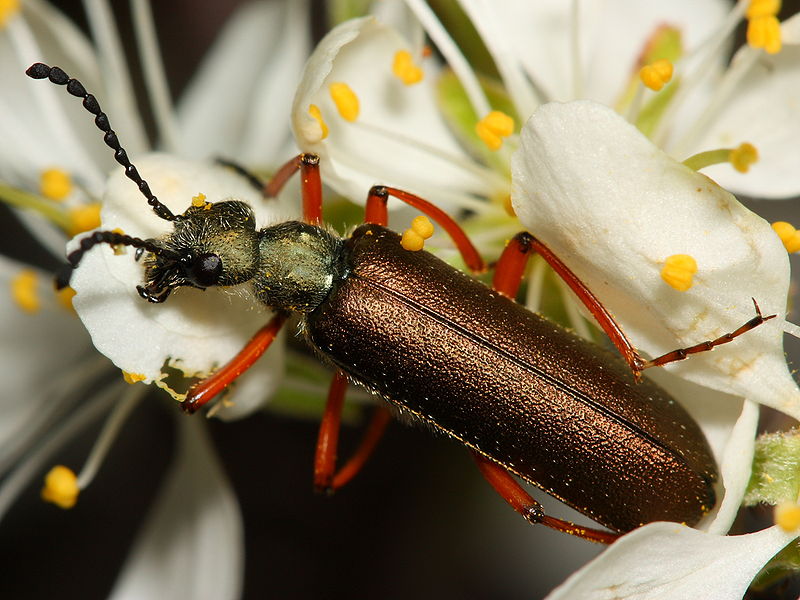
You came back for Day 2 of Wild Facts – Interesting Insects? That is great, I am thrilled to have you here. Yesterday we talked about an extremely large insect so I figured we would downsize a bit today. Don’t worry though, it is still just as interesting. We are going to look at the Blister Beetle but you may know it as the “Spanish Fly”.
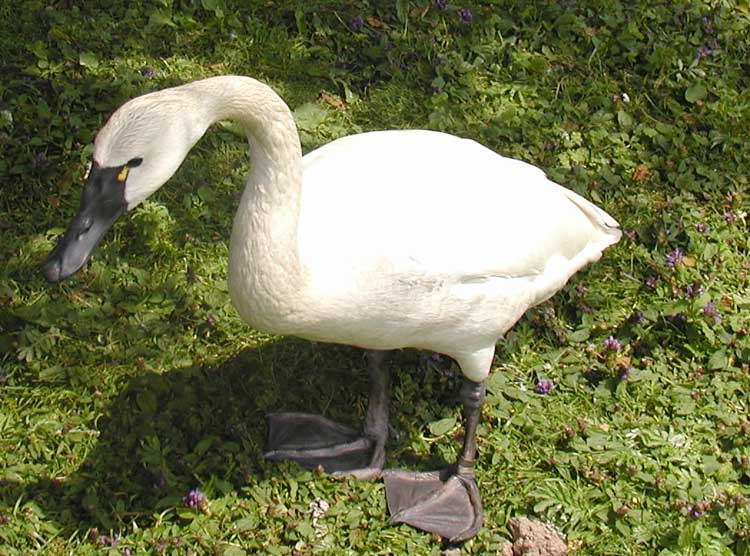
The Blister Beetle varies in shape, colour and size depending on the exact species. Since there are about 7500 known species, there is a lot of variation between them. Have you ever wondered why they are called blister beetles? Well, they get this name since some of these numerous species contain a chemical called cantharidin which will actually cause your skin to blister. This is a great defense mechanism for the little bug but you may not want to play with these little guys. Actually, I would like to alter that last statement. You may not want to play with these little guys unless you have a bunch of warts. You see we use cantharidin to get rid of warts so maybe these insects will actually help you out.
The most famous blister beetle, the emerald-green beetle known as the Spanish Fly is often used to encourage farm animals to mate. Yep, you read that right. The chemical can be used as an aphrodisiac and believe it or not some humans have tried it to make themselves more appealing. I don’t recommend this since a slight miscalculation can cause all sorts of problems such as fever and kidney failure.
Blister Beetle Fast Fact: Apparently the wife of Augustus Caesar use to slip the Spanish Fly chemical in her guests food hoping to encourage inappropriate behaviour so she could blackmail them in the future. That is one house party you would not want to attend.
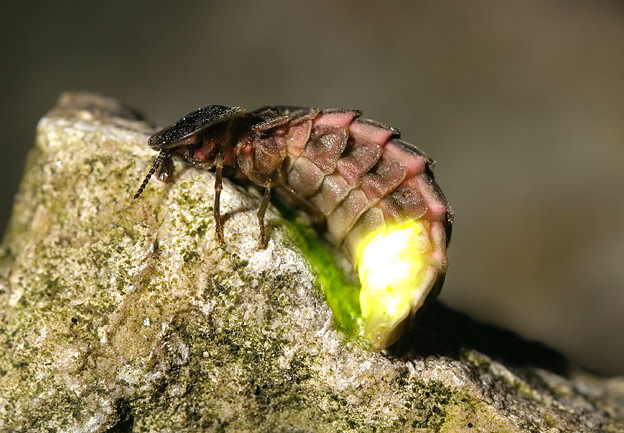
Happy Friday Everyone! The weekend is here and I am ready for an exciting long weekend. We are going to end the week with an insect. I know, ewww, but I promise it will be an “enlightening” fact. I remember having a toy when I was a kid called a Glow Worm. This thing looked like a large worm with a hat and it would light up when you squeezed on it. Today, we are going to look at the real life Glow Worm. First we have to wait until night time since they are nocturnal and really what is the point of looking for a glowing animal during the day.
Now that it is dark out let’s look for some glowing insects. I know they may look like worms but they are actually glowing insect larvae. Glow worms are usually the larvae of certain beetles although there are some for flies as well. They can be found living in woodlands and caves throughout the world, except for the Americas. These hearty little Glow Worms can even survive above the Arctic circle which is pretty impressive.
So what is the point of having a rear-end that lights up? Well as usual, the light is used to attract a mate. In other animals it is the male trying to attract their partner but not with the Glow Worm. Nope, it is the female that will spend about two hours every night during mating season hoping to catch the eye of their male partner. As you can imagine man-made structures such as street lights have caused some issues with this strategy. I bet that male glow worm is confused when he goes to a street light hoping to find a potential mate.
The glow worm is usually about 1-2 inches in length and will survive for about 5 months. During this time they tend to feed on snails and slugs but will also eat other insects. As you can imagine a glowing bug has numerous predators including birds, spiders, larger insects, centipedes and reptiles. I guess being able to glow isn’t always a good thing.
Well that does it for me today! Now let’s go and enjoy our long weekend. Don’t forget to check back on Monday as Wild Facts doesn’t take holidays.
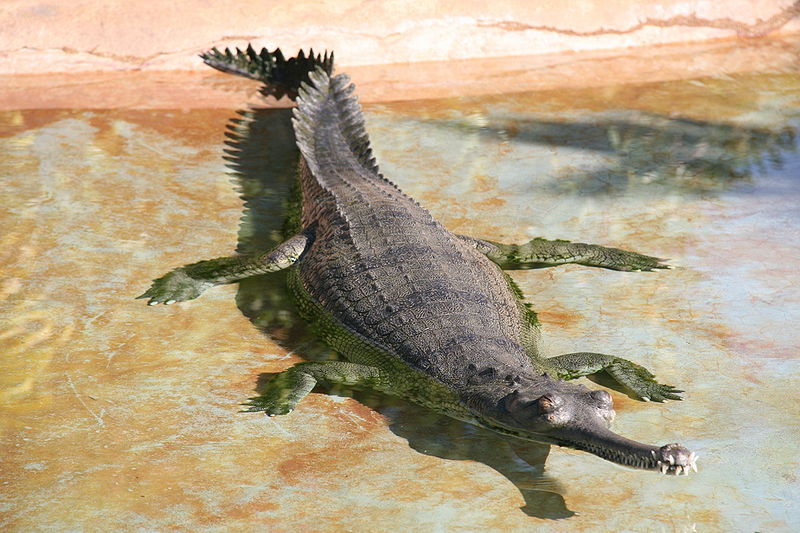
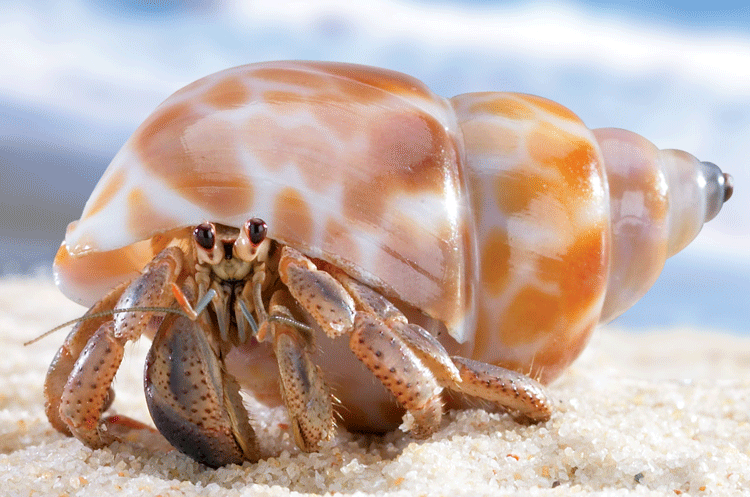
The long weekend is just around the corner so I hope you have your plans figured out by now. If you don’t then I want you to take a break from your weekend planning and enjoy today’s fact about the Hermit Crab.
The Hermit Crab is a small crustacean that can be found throughout the ocean, usually hanging out in tidal pools. This particular crab is not related to the true crabs with the big difference being the hermit’s soft body. In order to protect their soft, weak body from predators the Hermit Crab will find a sea-shell to call home. Once they find one that fits just right they will pull themselves inside of it leaving their legs and head exposed. As the crab grows they will replace their shell with a larger, better fitting one. I bet the Realtor hermit crab makes a ton of money selling fancy shells to the other crabs.
So what do these little guys eat when they aren’t scavenging the bottom looking for a new home? Well, they are an omnivore so they generally feed on plankton, small fish and their favourite food, invertebrates which includes worms. Their shell may help protect them from predators but they still have to be on the lookout for sharks, fish, squid and octopus which all enjoy feasting on hermit crabs. It is believed that hermit crabs will try to outsmart their predators by hiding with animals such as sea anemones which act as their bodyguard.
Hermit Crab Fast Fact: The hermit crab is commonly kept as a pet since they are small and easy to take care of. Some species of hermit crab can live as long as 30 years if they are taken care of properly. Could you imagine having a crab for 30 years?
Well that is all for today. Tune in tomorrow for the last fact before the long weekend.
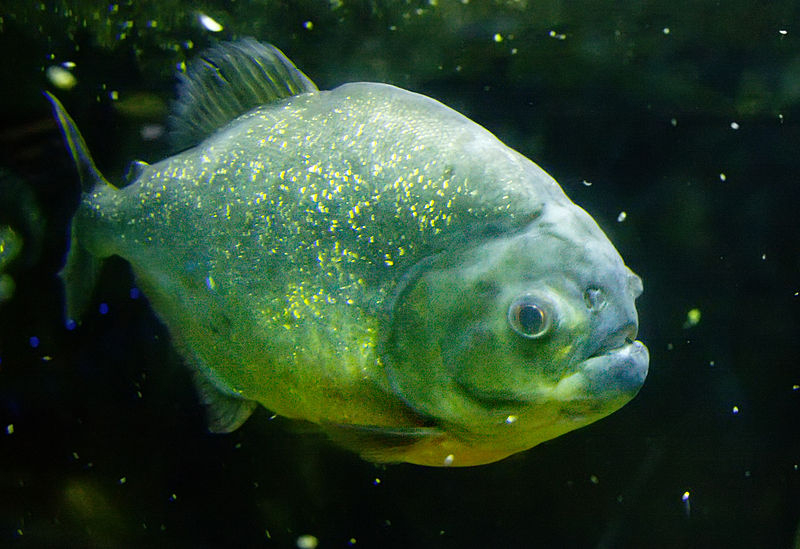
The exciting Wild Fact for today will be about one of the more popular fish species known to man. The reputation as baddest fish in the river has to go to the Piranha. Just the name of this little fish will strike fear into even the most brave people. Let’s take a minute and find out a bit more about the deadly piranha.
The piranha can be found in virtually every country in South America and lately as a result of irresponsible pet owners, they have been found in the Southern USA. For the record, it is illegal to own Piranha’s in the majority of the US States so check the laws if you have one as a pet. As well, please don’t dump them into the natural environment as they have the potential to destroy our natural ecosystems.
So what is it about the piranha that makes them so feared? Well, it might be their single row of razor sharp teeth or perhaps their thirst for blood. We have all seen the movies where a school of piranha’s will feast in an erratic frenzy. The movies may exaggerate this feeding behaviour but they really do feed in a frenzy. Despite their reputation the piranha is actually an omnivore. That’s right, they don’t feed solely on fish, mammals and birds. They also like to feed on insects, aquatic plants and snails. Yummy, escargot! You might also be surprised that these feared fish actually have a few predators including river dolphins, crocodiles, turtles, birds and larger fish. I guess this just goes to prove that no matter how fierce you seem, there is always something higher up on the food chain.
When it comes to parenting the piranha’s know what their doing. Generally the female will lay about 5000 eggs and since the male and female do such a great job guarding the nest, about 90% of these eggs will hatch in a few days. Don’t worry folks, I will do the math for you. That is 4500 baby piranha’s being born from a single mated pair. Imagine how high your babysitting bill would be if you wanted to go on a date night with your significant other. Let’s see, at $10 per child, it would cost you $45 000 for that quality time away from the kids. Yikes!
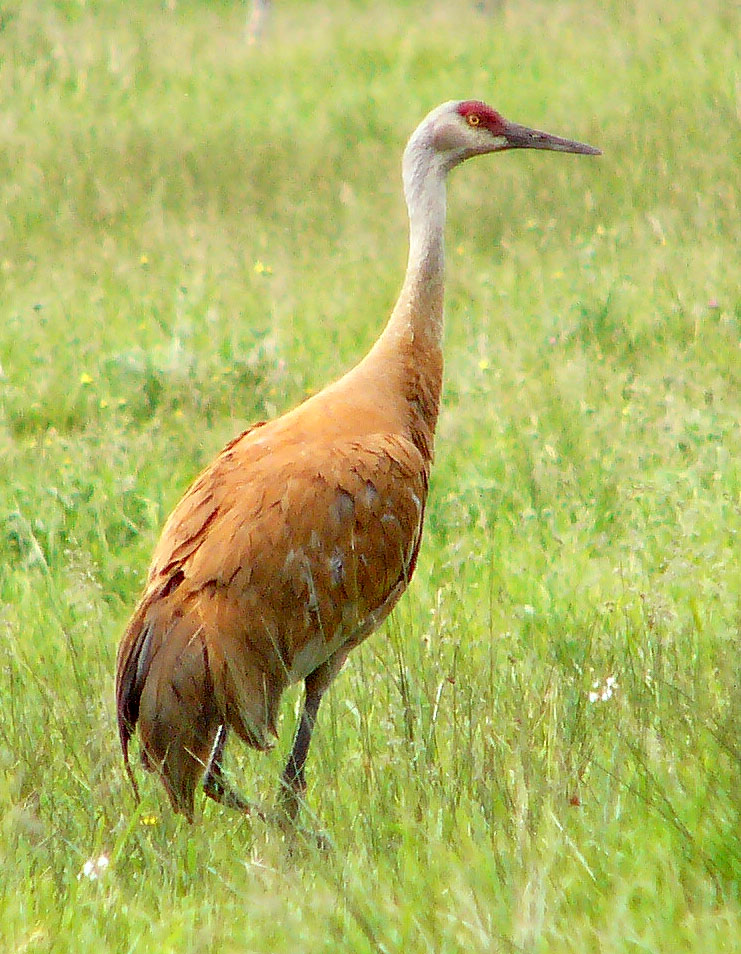
Welcome back to another fun filled week of interesting animal facts. I hope you all enjoyed your weekend. Today’s fact is going to be about another one of our feathered friends. My loving mother wanted to know about the Sandhill Crane and what is the point of having a son who runs a wildlife blog if he doesn’t answer your questions, right? So today we are discovering the most common of all the crane species.
The Sandhill Crane can be found in North America and as far south as Mexico and Cuba. If you happen to live in the wonderful area of Siberia then you will also have a chance to see these beautiful birds up close. Interestingly enough a 10 million year old fossil was found and was identified to be structurally the same as today’s Sandhill Crane. This just means that if I lived 10 million years ago, I could still be writing a Wild Fact about this bird. I don’t think blogging was that popular back then but who knows.
The Sandhill Crane is a large bird that can weigh up 6.5 kg (14 lbs) and has a wingspan of 5 to 6 feet. For the record their wingspan is about as long as me! If you are trying to catch a glimpse of these magnificent birds then I recommend you check out some local wetlands since they usually hang out there feeding on plants, insects, mice, worms and even snakes. Unfortunately, you can also find them in fields where they like to dig into the lush soil looking for food. Believe it or not, farmers don’t care for these large birds digging up their fields.
If you are bored one night, I highly suggest you find a pair of cranes. I can guarantee you that they will provide plenty of entertainment. During mating season the two cranes will come together and perform an amazing duet. They will throw their heads back and put everything they can into their beautiful love song. To go with the singing they will also dance, run and leap high in the air. For the record, they will practice their dance moves all year long. Just to show you how much fun they are to watch, I have included a 5 minute video of a couple of dancing cranes. ENJOY!
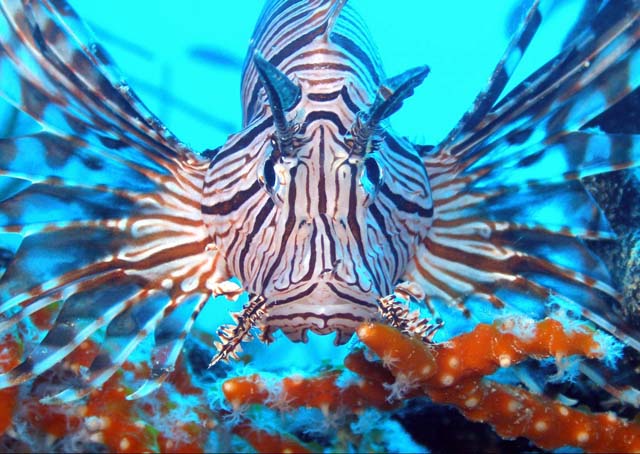
After wandering the African continent that last three days looking at birds and antelope-like animals, I am getting a little hot and little sweaty. I figured this would be a perfect time to go for a swim in the deep blue sea. This might be a refreshing plunge but we have to be careful since the fish we are going after is poisonous. We are going exploring for the beautiful lionfish which is also known as the dragonfish, scorpionfish and butterfly cod. Let’s go and learn some more about this fish with many names.
The lionfish can be found in the warm waters of the Central Pacific Ocean and it does its best to warn everything in those waters that it is deadly. This fish has brightly coloured stripes, long and flamboyant pectoral fins and if that weren’t enough, they are generally cranky. Nothing about this fish invites you into cuddle it. If something does get too close to the lionfish then they will feel the wrath of 18 venomous, needle-like dorsal fins. The lionfish is one of the most poisonous fish found on the ocean floor but luckily, they will only use their spines for self-defense. So if you leave them alone then they won’t bother you. They don’t need to use their poison to catch fish simply because they are able to blend in very well and have incredibly fast reflexes. For these reasons shrimp and other fish don’t generally stand a chance against these guys.
So can these fish hurt humans? Well, if we are unfortunate enough to get hit with their venomous spines then we will feel a very painful sting, usually followed by nausea and breathing problems. The good news is that this venom is rarely fatal for humans. So if these fish are so tough, do they have any predators? Surprisingly they do have a few predators including large fish such as grouper, eels and of course humans. Wait! These fish can really hurt humans so why do we play with them? Well folks, the beautiful design and shape of these fish make them ideal for fish tanks. I personally wouldn’t want a fish that could sting me 18 times with needle-like fins hanging out in my house but that is just me.
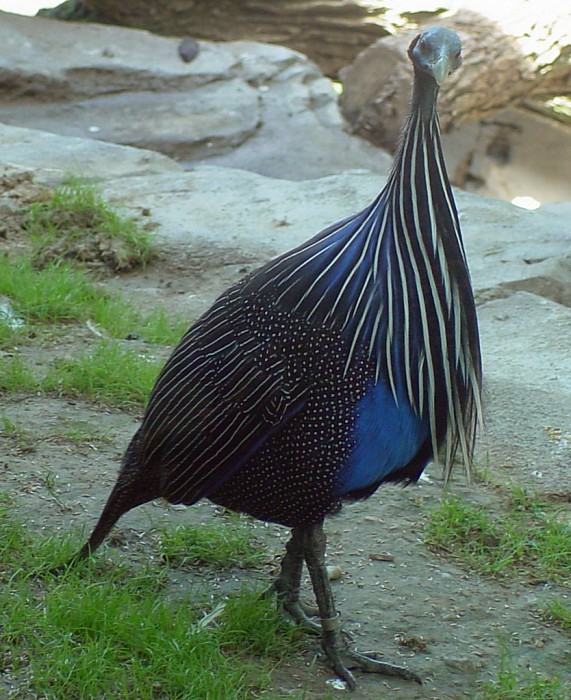
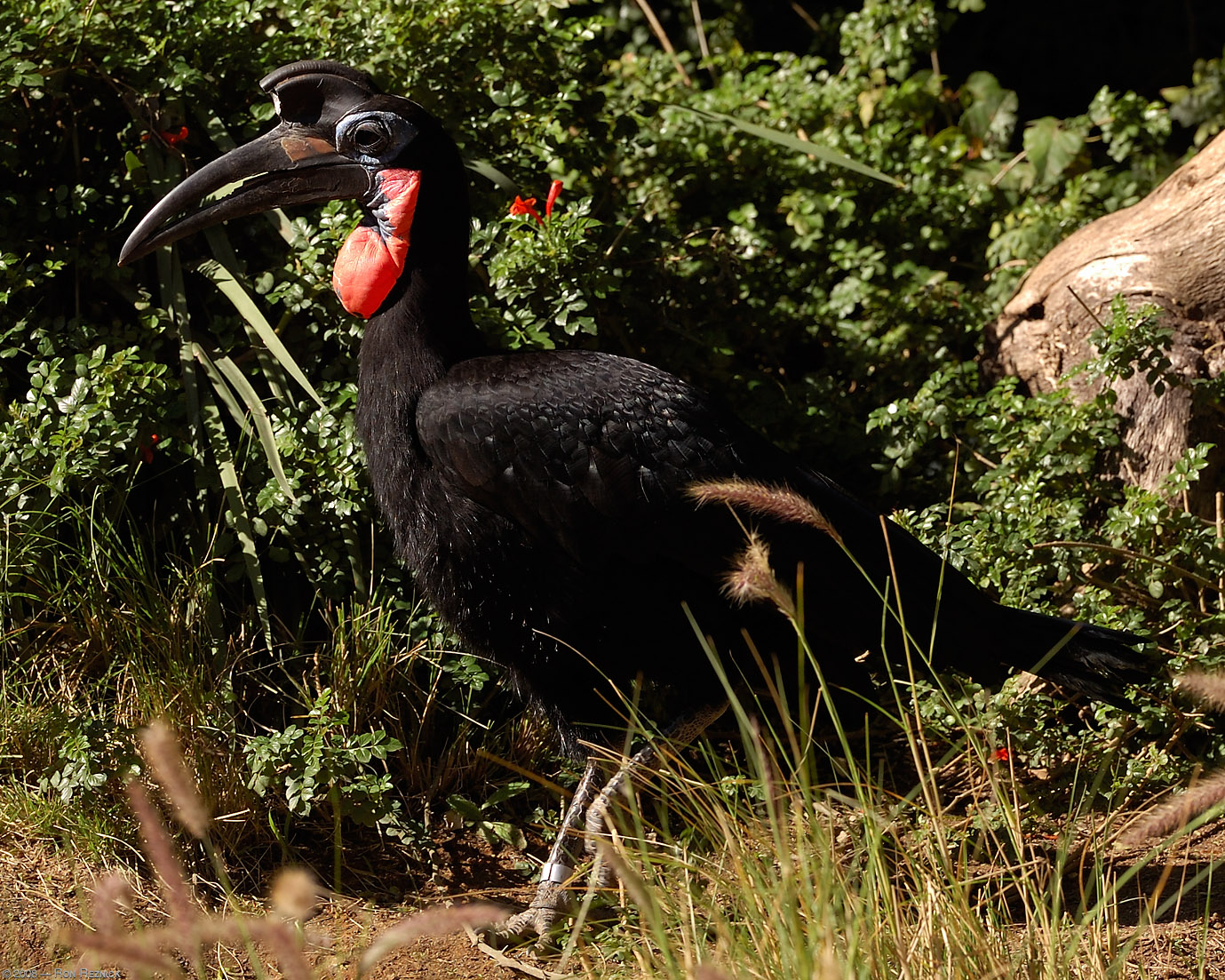
As usual, I enjoyed writing yesterday’s fact so much that I wanted to talk about another African bird today. These birds may not have different coloured wattles or really long eye-lashes but they are still pretty cool looking. Oh yeah, I completely forgot to tell you the name of the bird. We are going to learn about the Guinea Fowl, which some species have been introduced around the world for breeding purposes. Although you can find them on farms around the world, the Guinea Fowl is native to Africa.
The Guinea Fowl generally weighs about 0.7 – 1.6 kg (1.5 – 3.5 lbs) and can grow as long as 71 cm (30″). This larger bird is a ground dwelling creature that spends the majority of its time digging to find scrumptious insects and worms. We may not find them delicious but the Guinea Fowl sure does. But even they will grow tired of insects and consume some berries, seeds, small reptiles from time to time. The fowl is just a cog in the food web though. It may eat numerous animals but it is also prey to many larger predators such as dogs, wolves, humans and even crocodiles.
If you have looked closely at the picture above then you may have thought that this bird looks bald. If you did notice this, Congratulations! The Guinea Fowl resembles a vulture in that regard, which is why one species is called the Vulturine Guinea Fowl. Don’t be fooled though, they have no relation to the vulture. I am still scratching my head to try and figure out why these birds need to be bald. I understand that vultures have featherless heads so they don’t carry bacteria from the roadkill they eat, but the Guinea Fowl doesn’t feast on carrion. The only thing I can think of is the fact that these birds are constantly digging in the sand. Perhaps they are bald as a result of this foraging behaviour. I would love to hear all of your ideas on why the Guinea Fowl is bald so please leave a comment below. I am looking forward to your input to help solve this riddle.
Welcome to my ongoing project to provide you with 1000 Animal Facts. Every week-day I will provide a new and interesting animal fact counting down from 1000. My goal is to hopefully educate the young and old alike about the interesting adaptations of the animal kingdom. As well, I am hoping people will gain a greater appreciation of the animals we share earth with. If you have any questions, please feel free to use the Contact form or leave a comment.