

Since University, I have always been intrigued by the Platypus. The unique appearance and being one of the few venomous mammals is interesting enough to make my 1000 Wild Facts list, however, this post will be about how the platypus detects their prey.
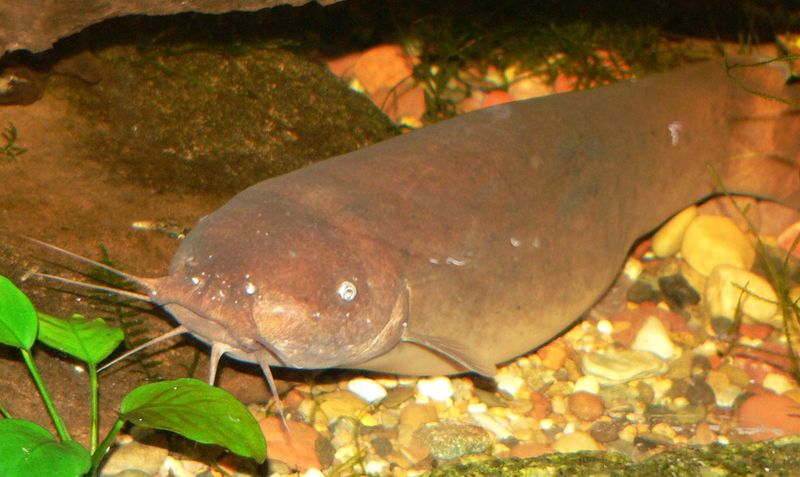
The platypus is a semi-aquatic mammal that lives in Eastern Australia. It is one of the only mammal that lays eggs instead of giving birth to live young and it is an important part of much research on evolution (due to the unique characteristics). The platypus feeds by swimming in streams and rivers and digging in the stream bed with it’s bill looking for insects, crayfish, tadpoles, worms, small fish, etc. Although it is thought that the platypus has excellent eye-sight and can hear very well it does not use these senses to feed. In fact, the platypus will close its eyes, ears and nose as it dives in the rivers. So how do they locate their prey? Great question! The platypus will use it’s duck-like bill to detect electric fields generated by contacting muscles of moving prey. This electrolocation method is unique and allows the platypus to detect the distance and direction of their prey. The platypus is the only mammal capable of using electrolocation. Other animals that have electro-receptors include sharks, catfish, sturgeon and lamprey.
For more information on the platypus, I suggest picking up the following book:




WOW – had no idea they were venomous!
Aunt Bev
They certainly are venomous. The male platypus as a "spur" on their hind foot. The venom can be very painful for humans so watch the feet of the platypus.
@Nathan, thank you for the helpful information